During your initial consultation at seesmile Dental Studio, we will examine your mouth and take 3D imaging to assess your jawbone structure and determine if you are a suitable candidate for implants. We will discuss the procedure, timeline, costs, and answer any questions you may have. This is an important appointment where we get to know you and understand your goals. We will explain the entire process and ensure you feel comfortable moving forward.
Using advanced 3D imaging technology, we create a detailed treatment plan tailored to your specific needs. This plan maps out the exact placement and design of your implant, ensuring precision and optimal results. The 3D imaging allows us to visualize your jawbone structure in detail and plan the implant placement to maximize success and minimize complications.
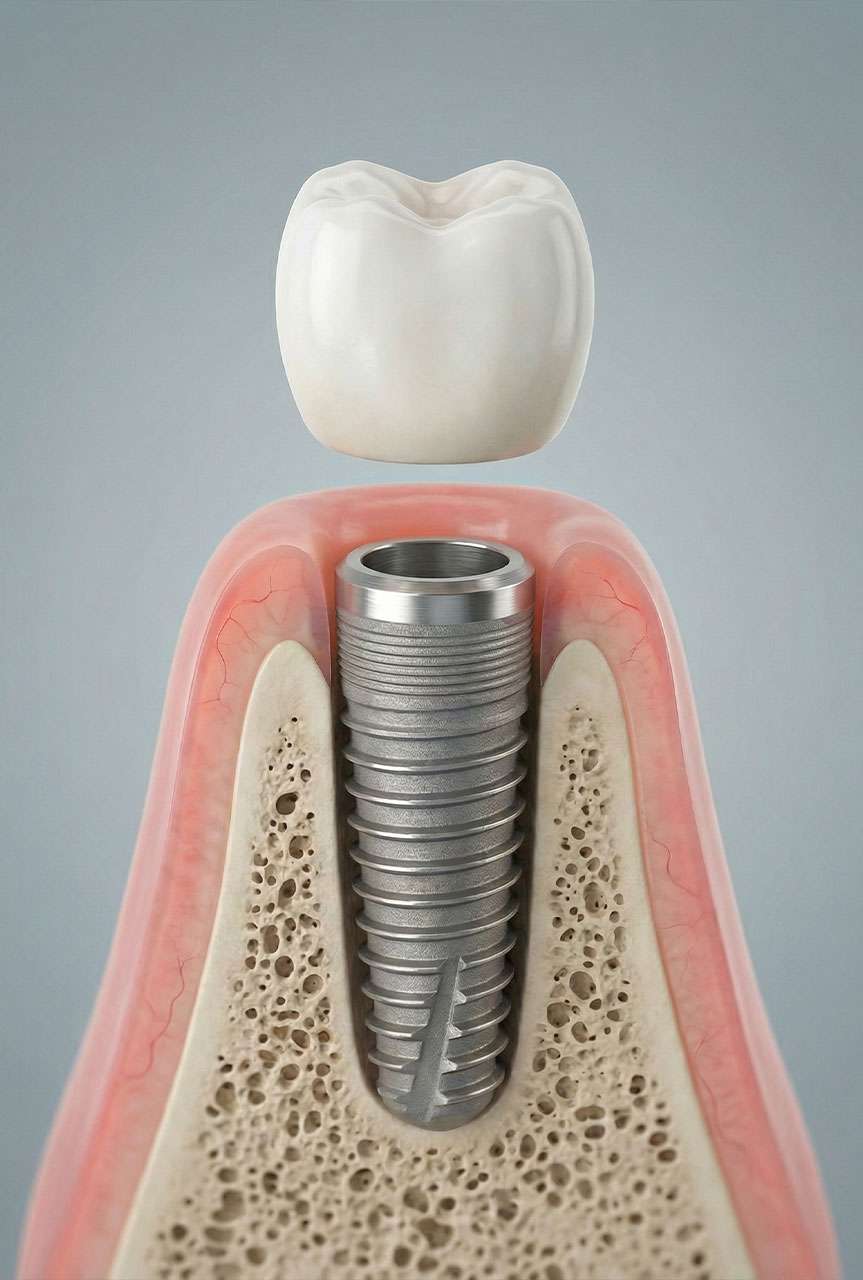
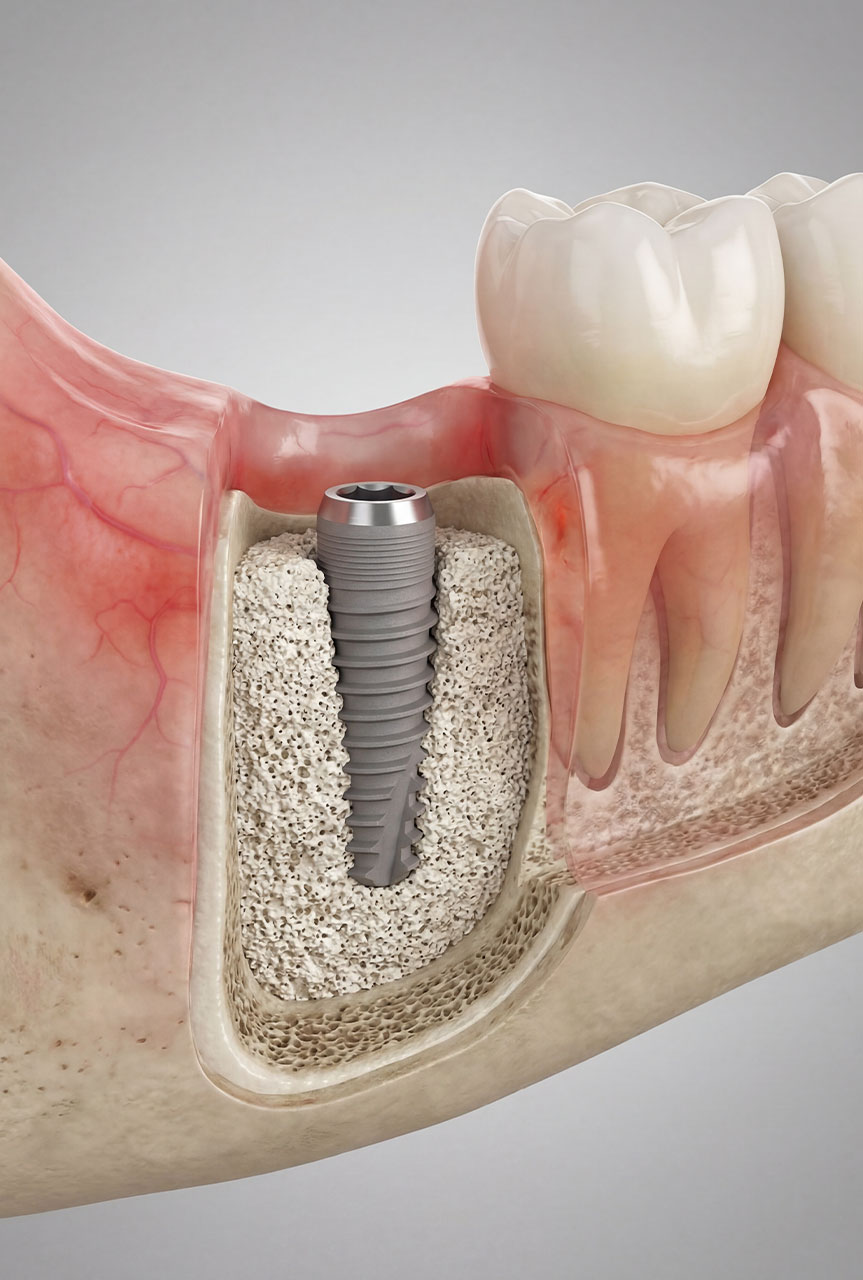
The titanium implant post is surgically placed into the jawbone. This procedure is performed with precision and care to minimize discomfort. You will receive detailed post-operative instructions for proper healing. Most patients experience minimal discomfort during the procedure, as the area is numbed with local anesthesia.
Over the following months (typically 3-6 months), the implant integrates with the jawbone through a process called osseointegration. This creates a strong and stable foundation for your crown. During this time, the implant becomes part of your jawbone, creating a permanent bond. This is a critical phase in the implant process, and proper care during this time is essential for success. We will provide you with detailed care instructions to ensure optimal healing.
Once osseointegration is complete, a custom-made crown is attached to the implant. This crown is designed to match your natural teeth and restore full function. The crown is created in a dental laboratory to your exact specifications. The crown placement is a quick procedure that typically takes one appointment. Once placed, your implant is complete and ready to function like a natural tooth.
We will schedule regular follow-up appointments to monitor your implant and ensure it remains healthy. Proper oral hygiene and regular dental visits are essential for long-term implant success.
The cost of dental implants can vary depending on the number of implants, the need for bone grafting or extractions, and the type of final restoration (such as crowns, bridges, or dentures).
At seesmile Dental Studio, we offer flexible financing options — including 0% interest plans for up to 24 months — to help make treatment more manageable. While many insurance plans provide limited or no coverage for implants, we’ll gladly review your benefits and handle all insurance paperwork on your behalf to help you make the most of your plan.
The entire implant process typically takes 3-6 months from initial consultation to crown placement. The osseointegration phase (when the implant fuses with the jawbone) is the longest part of the process
The implant placement procedure is performed under local anesthesia, so you should not feel pain during the procedure. You may feel pressure or vibration, but not pain. Some patients experience mild discomfort after the procedure, which can be managed with over-the-counter pain medication.
While implant failure is rare (success rates are typically 95%+), it can occur. Factors that increase the risk of failure include smoking, poor oral hygiene, certain medical conditions, and inadequate bone structure. We will discuss any risk factors with you during your consultation.
If you have gum disease, we typically recommend treating the gum disease before proceeding with implants. Healthy gums are important for implant success.
Yes, you can have multiple implants if you have multiple missing teeth. The number of implants depends on your specific situation and jawbone structure.